Issue 07 — Everyday Nutrition Awareness
The quiet art of a balanced everyday plate.
How we combine proteins, culinary fats, and carbohydrates across daily meals shapes how settled, satisfied, and steady we feel from morning through evening. Luracaz explores practical, unhurried food balance rooted in familiar ingredients.
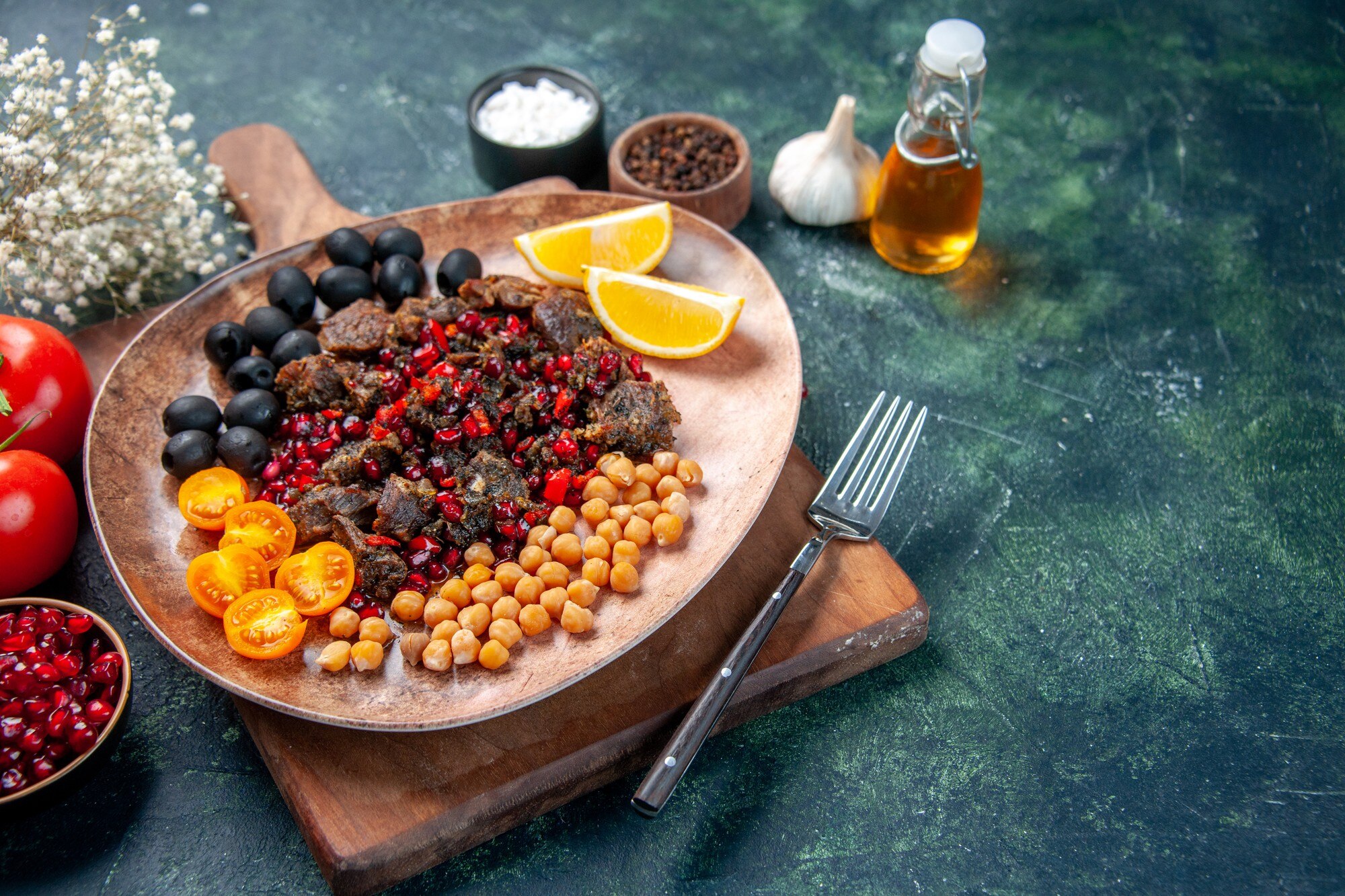
Balanced Composition
Pairing slow-digesting staples with protein and natural oils creates meals that feel genuinely fulfilling.
Proteins
Found in beans, eggs, poultry, fish, and lentils, dietary proteins anchor a meal and contribute to lasting fullness between breakfast, lunch, and dinner.
Culinary Fats
Present in avocados, groundnuts, sesame, olive oil, and oily fish, moderate portions of culinary fats enrich flavor and give meals a rounded, satisfying finish.
Carbohydrates
Whole grains, yam, plantain, oats, and millet provide accessible everyday energy for work, walking, and family routines when served in measured portions.
Editorial Essay
Why harmony outperforms strict food rules.
Popular conversations around eating often swing toward extremes—eliminating entire food groups one month, then abandoning rigid plans the next. Yet everyday meals across generations have always worked best when built around simple variety rather than restriction.
When a plate brings together a portion of protein, a measured serving of carbohydrates, and a modest touch of culinary fat alongside fresh vegetables, the meal feels naturally complete. Readers often observe steadier afternoon focus and less restlessness between mealtimes.
Local Pantry Perspective
Familiar ingredients, thoughtful proportions.
Balanced eating in Port Harcourt, Lagos, or Kano does not require imported specialty groceries. Everyday market staples already offer every macronutrient needed for varied home cooking.
- Pair boiled yam or plantain with a generous egg-and-vegetable stew.
- Combine brown or parboiled rice with grilled mackerel and steamed beans.
- Add roasted groundnuts or sliced avocado to light morning oat bowls.

Comparative View
Single-component meals vs. composed three-part plates
| Everyday Experience | Single-Focus Meal | Balanced Three-Part Plate |
|---|---|---|
| Post-Meal Satisfaction | Refined starch-only snacks often leave hunger returning quickly. | Combining protein, culinary fat, and whole staples provides steady fullness. |
| Afternoon Comfort | Heavy, overly oily portions can feel sluggish during afternoon work hours. | Moderate, evenly proportioned servings feel light yet sustaining. |
| Culinary Enjoyment | Repetitive textures and narrow flavor profiles grow tiring over time. | Varied textures—crisp, savory, and tender—keep home meals inviting. |
| Weekly Consistency | Often swings between skipped meals and rushed evening overeating. | Supports a calm, predictable rhythm across busy workdays. |
Common Questions
Everyday clarity on food balance
Do I need to weigh every ingredient to eat in a balanced way?
No. Simple visual proportions—filling half the plate with vegetables and fiber-rich produce, a quarter with protein, and a quarter with staples—work comfortably for most everyday home cooking.
Are traditional carbohydrates compatible with balanced meals?
Yes. Staples like yam, brown rice, plantain, and millet fit naturally into balanced dining when portioned sensibly alongside beans, fish, poultry, or eggs.
Why include culinary fats in daily dishes?
Small amounts of culinary oils, nuts, seeds, or avocado add depth of flavor and make vegetables and whole grains more enjoyable to eat regularly.
Is this guide meant for specific dietary or medical conditions?
Luracaz provides general culinary and lifestyle reading only. Individuals with specific nutritional needs or health questions should consult a qualified dietitian or healthcare professional.
Further Reading
Explore practical plate architecture and daily meal pacing.
Discover how simple home-cooking adjustments bring proteins, fats, and carbohydrates together without complicated rules.