Guide 01 — Meal Composition
Plate architecture for unhurried everyday dining.
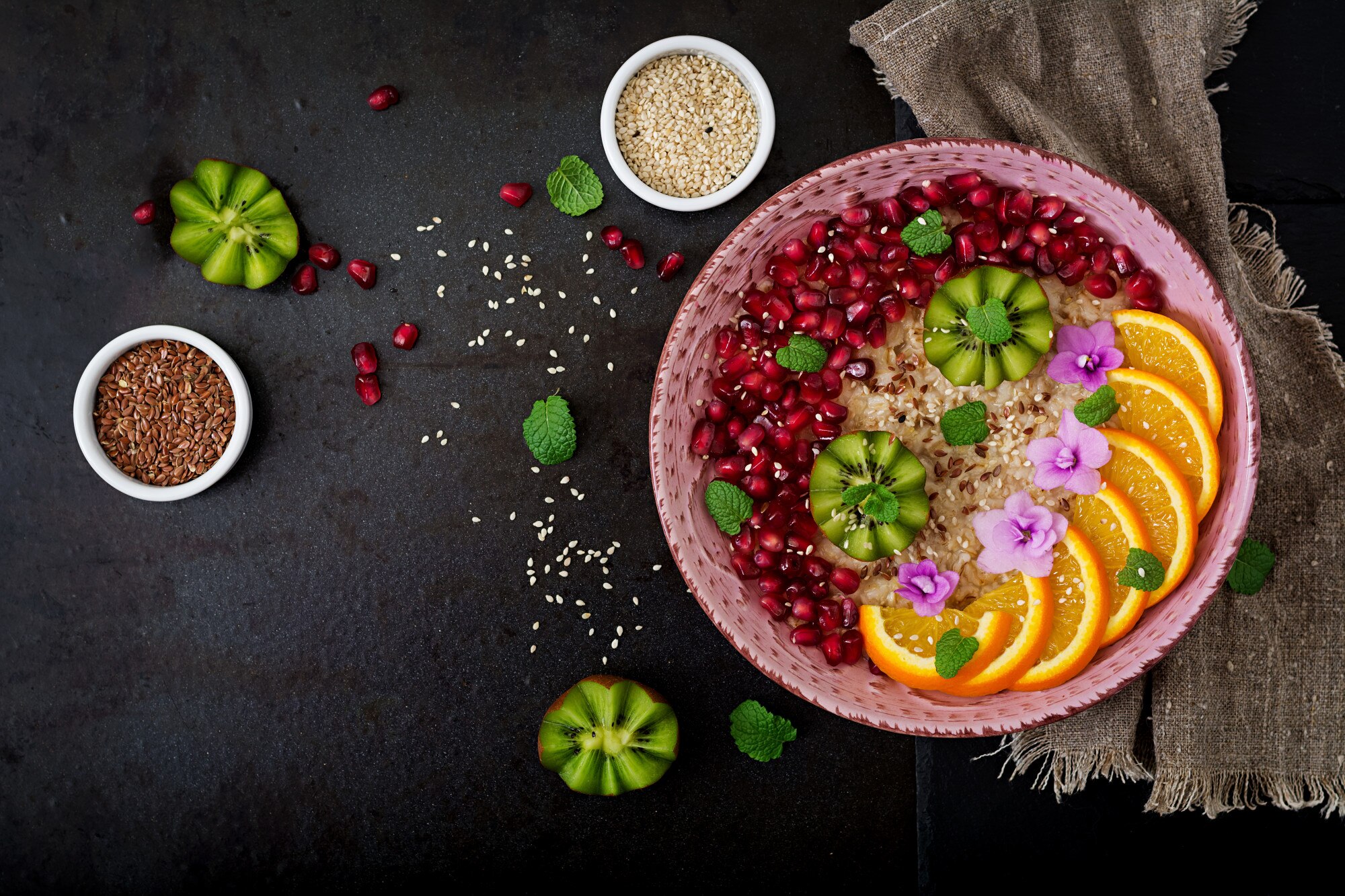
Visualizing how proteins, culinary fats, and carbohydrates share space on an ordinary plate turns meal planning into a calm, intuitive habit rather than a math exercise.
Visual Proportions at a Glance
- Fresh Produce & Vegetables ~1/2 Plate
- Protein Sources ~1/4 Plate
- Whole Grains & Staples ~1/4 Plate
- Culinary Oils, Nuts & Seeds Measured Accent
The Three Foundations
Understanding each component in the kitchen
Proteins
Beans • Fish • Eggs • Poultry • Lentils
Including a clear protein source at every main meal brings savory depth and steady satiety. Rotating between plant-based options—such as steamed bean cakes (moi-moi), black-eyed peas, or chickpeas—and grilled fish or eggs keeps weekly menus varied and economical.
Culinary Fats
Avocado • Groundnuts • Olive Oil • Mackerel
Culinary fats carry aromatics and spices while giving meals a rich, lingering finish. Measuring cooking oils lightly rather than pouring freely allows traditional stews and sautéed vegetables to remain flavorful without feeling overly heavy.
Carbohydrates
Yam • Plantain • Oats • Millet • Brown Rice
Whole and minimally processed staples offer dependable daytime fuel alongside natural dietary fiber. Serving carbohydrates as one thoughtful quarter of the plate—rather than the entire dish—creates a more comfortable balance with proteins and vegetables.
“A well-composed meal does not ask you to count numbers; it simply brings texture, warmth, and proportion together on one plate.”
Luracaz Kitchen Notebook
Everyday Combinations
Sample three-part meal ideas across the day
| Meal Window | Protein Anchor | Carbohydrate Staple | Culinary Fat & Produce |
|---|---|---|---|
| Morning Table | Two boiled or poached eggs | Warm rolled oats or boiled plantain | Sliced avocado and lightly sautéed tomatoes |
| Midday Meal | Grilled mackerel or roasted chicken | Measured portion of parboiled or brown rice | Light vegetable stew cooked with moderate oil |
| Evening Supper | Steamed bean pudding or braised lentils | Small serving of boiled yam or millet swallow | Freshly steamed seasonal vegetables with sesame or palm oil accent |
Preparation Habits
Four gentle kitchen techniques
-
01
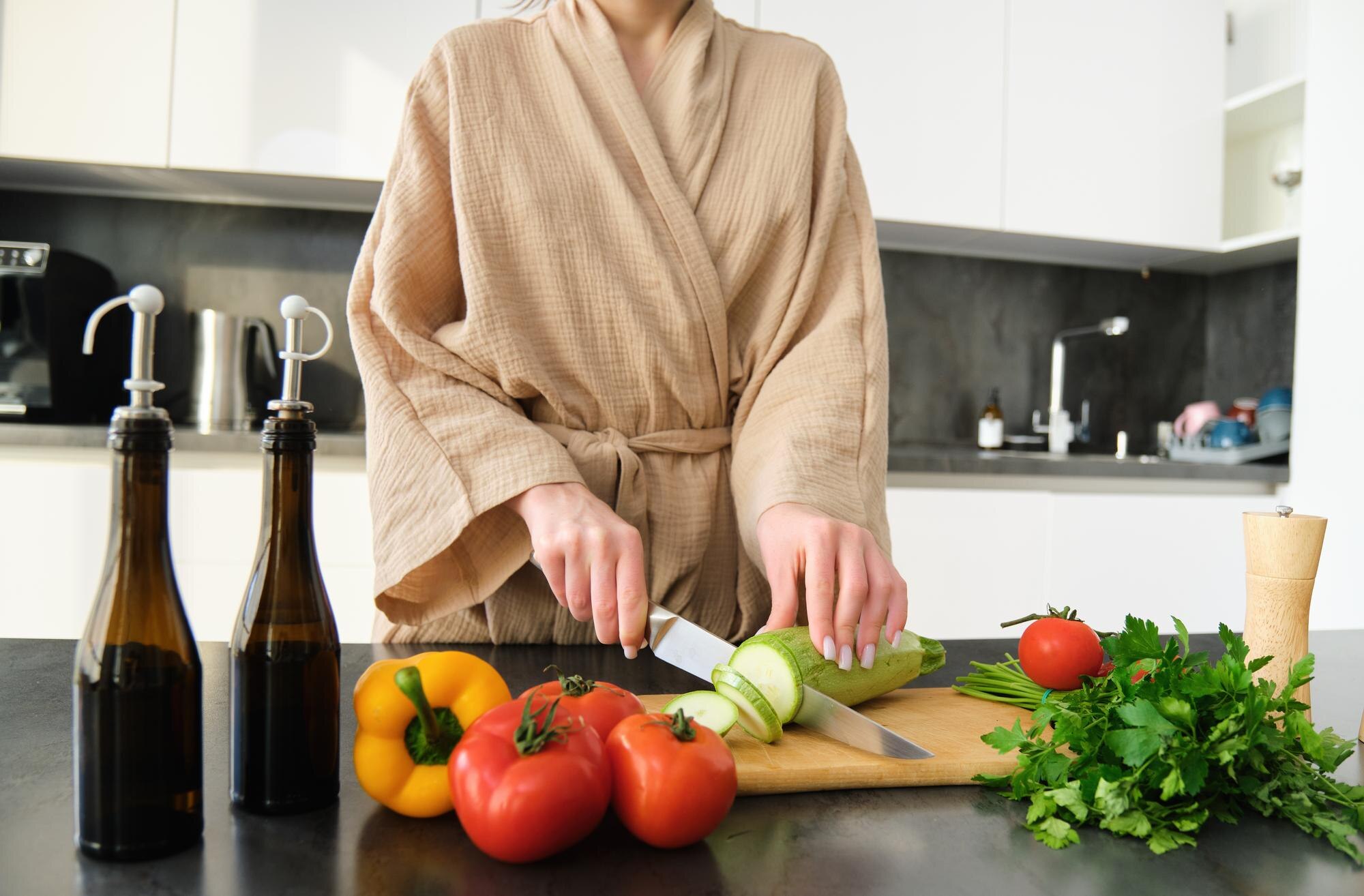
Favor grilling, baking, and steaming: These methods preserve natural texture and aroma while keeping added cooking oil measured.
-
02
Season with herbs and spices first: Ginger, garlic, thyme, rosemary, and fresh pepper build rich flavor without relying on excess salt or heavy sauces.
-
03
Prepare proteins ahead of busy days: Boiling beans or marinating fish on Sunday evening makes weekday balanced assembly effortless.
-
04
Serve on right-sized dinnerware: Moderate plate sizes naturally encourage comfortable, unhurried portions.
Next Guide
Daily Satiety & Meal Pacing
Learn how regular meal timing, hydration, and unhurried dining habits complement a balanced plate.